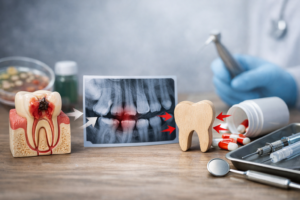
A toothache is one of the most common reasons people delay seeking dental care—often hoping the pain will fade on its own. While mild discomfort can sometimes resolve with proper hygiene or routine treatment, there are situations where an emergency toothache signals a serious underlying condition that requires immediate professional attention. Knowing how to recognize the difference can protect not only your oral health, but also your overall well-being.
At Prestige Oral & Facial Surgery Center, patients are frequently seen after pain has progressed beyond manageable levels. Early recognition of warning signs allows for faster intervention, reduced complications, and better long-term outcomes.
Why Toothaches Should Never Be Ignored
Pain is the body’s way of signaling that something is wrong. In dentistry, tooth pain often indicates infection, inflammation, nerve involvement, or structural damage. The longer these issues go untreated, the greater the risk of spreading infection, bone loss, or permanent damage to surrounding tissues.
Toothaches can originate from several causes, including:
- Deep tooth decay
- Cracked or fractured teeth
- Gum disease
- Dental abscesses
- Trauma to the mouth or jaw
- Impacted teeth
While some discomfort may be tolerable at first, escalating pain is often a sign that immediate care is needed.
Understanding the Severity of Dental Pain
Not all dental pain is the same. A dull ache after eating something cold may differ greatly from throbbing, persistent pain that disrupts sleep. Patients often search for severe tooth pain relief, but pain management alone does not address the root cause. When pain intensifies or becomes constant, it usually means the infection or damage has progressed beyond the tooth’s outer layers.
Pain severity may increase when:
- Chewing or biting
- Lying down
- Exposed to hot or cold temperatures
- Pressure is applied to the jaw
These sensations often indicate nerve involvement or infection that requires immediate evaluation.
Key Dental Emergency Warning Signs
Recognizing dental emergency symptoms early can prevent complications and reduce the need for more invasive procedures. Seek immediate care if you experience any of the following:
- Severe, unrelenting tooth pain
- Facial swelling or swelling around the jaw
- Fever associated with dental pain
- A foul taste or discharge in the mouth
- Difficulty swallowing or breathing
- Sudden tooth discoloration following trauma
These signs suggest that the infection or injury may be spreading beyond the tooth and into surrounding tissues.
Tooth Infections: A Serious Risk
One of the most dangerous causes of dental pain is infection. Bacteria can penetrate the inner pulp of the tooth and spread to the jawbone, sinuses, or bloodstream. Identifying tooth infection warning signs early is critical, as untreated infections can lead to severe complications.
Common signs of infection include:
- Persistent throbbing pain
- Sensitivity to pressure
- Swollen gums or jaw
- Pus or abscess formation
- General feelings of illness
Infections do not resolve on their own and require professional intervention to eliminate bacteria and preserve oral health.

When Immediate Care Is Necessary
Patients often wonder when to see an emergency dentist, especially outside of normal office hours. The answer depends on symptom severity, progression, and impact on daily function. Dental pain becomes an emergency when it:
- Interferes with eating or speaking
- Prevents sleep
- Is accompanied by swelling or fever
- Results from trauma or injury
- Involves uncontrolled bleeding
Prompt evaluation ensures that damage is minimized and treatment can begin before complications arise.
The Role of Urgent Dental Care
Access to urgent dental care plays a critical role in preventing infections from worsening and preserving natural teeth whenever possible. Emergency dental services focus on stabilizing the condition, relieving pain, and determining the best course of treatment.
At Prestige Oral & Facial Surgery Center, emergency evaluations may include:
- Digital imaging for accurate diagnosis
- Examination of tooth structure and surrounding tissues
- Assessment of bite and jaw involvement
- Infection control measures
These steps allow specialists to act quickly and precisely.
Advanced Treatment Options for Dental Pain
Once the cause of pain is identified, surgeons can recommend appropriate dental pain treatment options based on severity and diagnosis. These may include:
- Drainage of abscesses
- Root canal therapy coordination
- Tooth extraction for non-restorable teeth
- Antibiotic therapy when appropriate
- Surgical intervention for advanced infections
- Bone preservation or grafting
Oral and maxillofacial surgeons are uniquely trained to manage complex cases involving infection, trauma, or advanced decay, particularly when pain extends beyond the tooth itself.
Why Oral Surgeons Are Essential in Emergencies
Unlike general dental settings, oral and facial surgery centers are equipped to handle advanced emergencies involving bone, nerves, and soft tissue structures. Surgeons can manage severe infections, impacted teeth, facial swelling, and complications that extend into the jaw or sinus regions.
Their hospital-based training allows them to safely administer anesthesia, manage airway concerns, and perform surgical procedures when necessary—making them an essential resource during dental emergencies.
- Tooth pain should never be dismissed as minor without evaluation.
- Persistent or worsening pain often indicates infection or nerve involvement.
- Swelling, fever, or drainage are signs of a dental emergency.
- Prompt diagnosis reduces the risk of complications and tooth loss.
- Specialized surgical care ensures comprehensive treatment in severe cases.
Preventing Dental Emergencies
While not all emergencies are preventable, routine dental care and early treatment greatly reduce risk. Regular checkups, proper oral hygiene, timely restoration of damaged teeth, and addressing pain early can prevent many urgent situations from developing.
Patients who wait too long often face more complex treatment and longer recovery times. Being proactive is one of the most effective ways to protect oral health.
Conclusion
Toothaches are more than just an inconvenience—they can be a warning sign of serious dental or systemic issues. Understanding when pain requires immediate attention can prevent infection, reduce complications, and protect long-term oral health. Seeking prompt evaluation from experienced oral and maxillofacial specialists ensures accurate diagnosis, effective treatment, and peace of mind when it matters most.