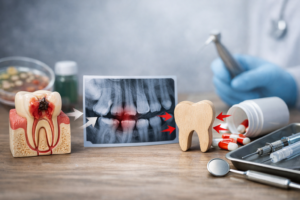
Dental implants have revolutionized the way missing teeth are replaced, offering a permanent and natural-looking solution. However, the success of dental implants largely depends on the health and density of the jawbone. This is where bone grafting comes into play, serving as a crucial step for many patients undergoing dental implant procedures.
Bone grafting is a surgical procedure that helps build up bone in areas where it has deteriorated or is insufficient. In the context of dental implants, bone grafting is often necessary to provide a strong foundation for the implants. It involves transplanting bone tissue to the jaw, which then fuses with the existing bone over time.
Why Bone Grafts Are Needed for Dental Implants
Not every patient requires a bone graft for dental implants, but it is essential for those with significant bone loss. Bone loss can occur due to several reasons, such as periodontal disease, tooth loss, or trauma. Without adequate bone, dental implants cannot be securely anchored, leading to potential failure.
Bone grafting ensures that there is enough bone mass to support the implants, enhancing the overall success rate of the procedure. It also helps restore the natural contours of the jaw, improving both function and aesthetics.
Different Types of Bone Grafts
There are several types of bone grafts used in dental procedures, each with its own advantages:
Autografts
Autografts involve using bone from the patient’s own body, typically from the chin, hip, or another area of the mouth. This type of graft is often preferred because it is biocompatible and has a high success rate. However, it requires an additional surgical site, which can increase recovery time.
Allografts
Allografts use bone from a donor, which has been processed to ensure safety and compatibility. This option eliminates the need for a second surgical site, reducing discomfort and recovery time for the patient.
Xenografts
Xenografts are derived from animal bone, usually bovine (cow) sources. These grafts are also processed to ensure safety and are a popular choice due to their availability and effectiveness in promoting bone growth.
Synthetic Grafts
Synthetic grafts are made from materials such as calcium phosphate or hydroxyapatite. These materials are designed to mimic natural bone and encourage new bone growth. They are a viable option for patients who prefer not to use animal or human donors.
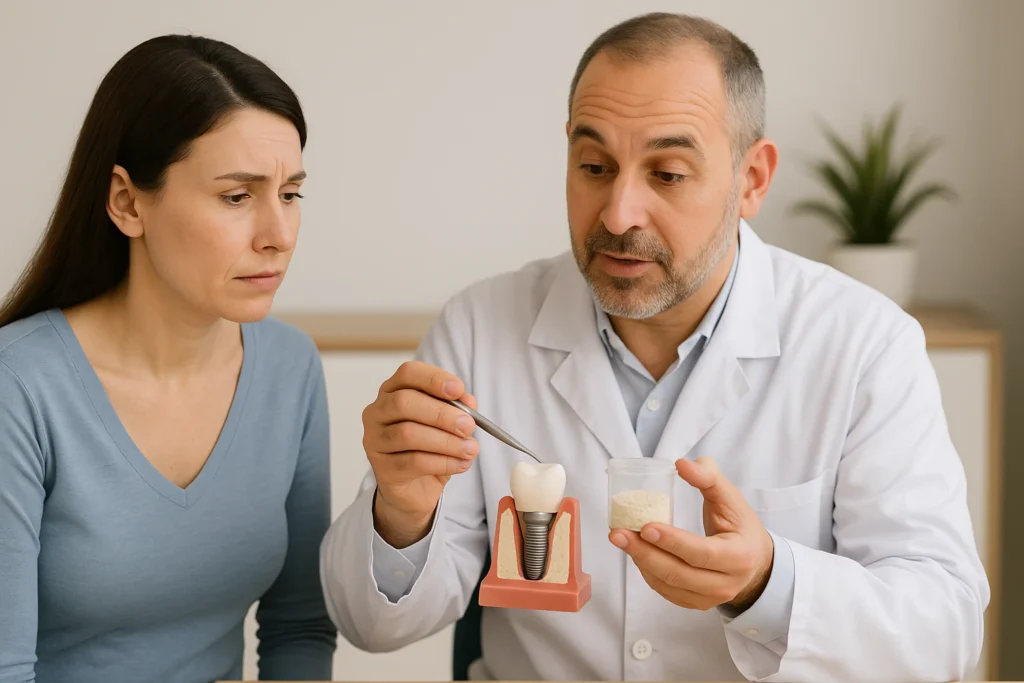
Sinus Lift vs. Bone Graft: What’s the Difference?
A sinus lift, also known as sinus augmentation, is a specific type of bone grafting procedure. It is typically performed when the upper jaw lacks sufficient bone height for implants, particularly in the area of the molars and premolars.
During a sinus lift, the sinus membrane is gently elevated, and bone graft material is placed beneath it. This creates more bone height and density, allowing for the successful placement of dental implants.
Recovery and Healing After Bone Grafting
The recovery process after a bone graft depends on the type of graft used and the individual patient’s health. Generally, patients can expect some swelling and discomfort in the days following the procedure. Pain can usually be managed with over-the-counter medications.
Bone Grafting Recovery Tips
- Follow Your Dentist’s Instructions: Adhering to post-operative care instructions is crucial for a smooth recovery. This may include dietary restrictions, avoiding certain activities, and maintaining good oral hygiene.
- Manage Swelling and Pain: Applying ice packs to the affected area can help reduce swelling. It’s also important to take prescribed pain medications as directed.
- Avoid Smoking: Smoking can hinder the healing process and increase the risk of complications. It’s advisable to quit smoking before and after the procedure.
- Attend Follow-Up Appointments: Regular check-ups with your dentist ensure that the graft is healing properly and allow for timely intervention if issues arise.
Success Rate of Dental Bone Grafts
The success rate of dental bone grafts is generally high, with most patients experiencing successful integration of the graft with their natural bone. Several factors can influence the outcome, including the patient’s overall health, the quality of the graft material, and adherence to post-operative care.
The Cost of Bone Grafting for Implants
The cost of a bone graft for dental implants can vary depending on the type of graft, the complexity of the procedure, and the geographical location. On average, patients can expect to pay anywhere from $300 to $3,000 for a bone graft. It’s important to discuss costs and payment options with your dental provider, as some insurance plans may cover a portion of the procedure.
Who Needs Bone Grafting?
Not all patients undergoing dental implants will need a bone graft. Candidates for bone grafting typically include those who have experienced significant bone loss due to:
- Tooth Loss: Missing teeth can lead to bone resorption over time.
- Periodontal Disease: Advanced gum disease can deteriorate bone structure.
- Trauma or Injury: Accidents or injuries can damage the jawbone.
- Congenital Conditions: Some individuals are born with conditions that affect bone development.
Conclusion
Bone grafting plays an essential role in the success of dental implants, providing the necessary foundation for these long-lasting replacements. Whether you need a simple graft or a more complex sinus lift, understanding the process and recovery can help you make informed decisions about your dental health.
Consult with your dental professional to determine if bone grafting is right for you and take the first step towards a healthier, more confident smile.