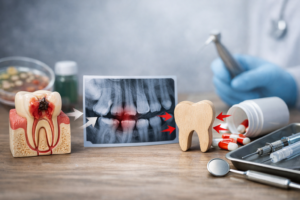
Socket preservation is a dental procedure performed immediately after a tooth extraction. Its primary purpose is to maintain the structure of the jawbone and gum tissue, which can deteriorate after a tooth is removed. This deterioration occurs because, once a tooth is extracted, the natural stimulation that the tooth root provided to the jawbone ceases, leading to potential bone loss. This procedure involves placing bone grafting material into the socket, the empty space left behind by the extracted tooth, thereby stabilizing the bone and surrounding tissues.
By doing this, dental professionals can reduce the chances of bone loss, ensuring your jaw remains strong enough to support a dental implant in the future. Not only does this procedure preserve the physical structure, but it also maintains the functional integrity of the jaw, which is crucial for chewing and speaking. Additionally, socket preservation can help prevent the shifting of adjacent teeth, which can occur when a gap is left unaddressed, thereby maintaining the alignment of your teeth and overall oral health.
Why is Socket Preservation Important?
Benefits of Socket Preservation
Understanding the benefits of socket preservation can help you appreciate why this procedure is recommended. Here are some of the significant advantages:
- Maintains Bone Structure: After tooth extraction, the jawbone can begin to deteriorate. Socket preservation helps maintain the height and width of the bone, crucial for dental implant readiness. This preservation is vital as bone loss can complicate future dental procedures and may necessitate more invasive interventions.
- Prepares for Future Implants: If you plan on getting a dental implant, maintaining the socket’s structure is essential. It ensures there’s enough bone to anchor the implant securely, reducing the risk of implant failure. This preparation not only supports the implant but also ensures that the implant looks natural and functions like a real tooth.
- Improves Aesthetic Outcomes: A preserved socket results in better aesthetic outcomes as it helps to maintain the natural contours of your gums and jawline. This leads to a more natural-looking smile and can improve self-esteem by preventing the sunken appearance that can result from bone loss.
- Reduces the Need for Additional Procedures: By preserving the socket, you might avoid more extensive bone grafting procedures later on. This not only saves time and money but also reduces the overall discomfort associated with multiple dental procedures.
The Role of Bone Grafting
Bone grafting is a critical component of socket preservation. It involves using bone material, either from your own body, a donor, or synthetic sources, to encourage new bone growth. This grafting material acts as a scaffold, supporting the regrowth of the bone and ensuring its stability. Over time, the graft material is replaced by natural bone, providing a solid foundation for future implants. This process not only strengthens the jawbone but also enhances its density, which is crucial for the longevity of the dental implant.
Bone grafting is a sophisticated procedure that requires the expertise of a skilled dental professional. The type of graft material and the specific technique used will depend on individual circumstances, such as the extent of bone loss and the patient’s overall health. By understanding the role of bone grafting in socket preservation, patients can be more informed about their options and the potential outcomes of the procedure.
The Socket Preservation Procedure
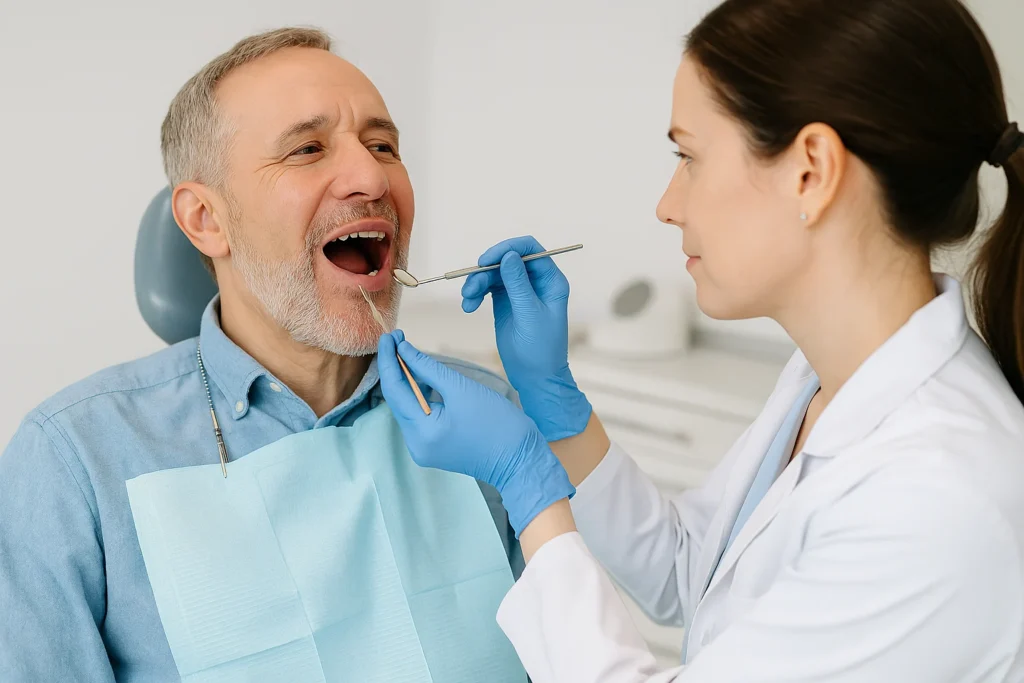
The socket preservation procedure is relatively straightforward and typically occurs immediately after a tooth extraction. Here’s what you can expect:
- Tooth Extraction: First, the tooth is carefully removed, and the area is cleaned to eliminate any debris or infection. This step is crucial to ensure that the site is ready for the graft material and to prevent complications during healing.
- Graft Material Placement: The dentist places bone grafting material into the socket. This material acts as a scaffold, supporting new bone growth and maintaining the socket’s shape and size. The selection of graft material is tailored to the patient’s needs, considering factors such as biocompatibility and integration with existing bone.
- Membrane Application: A membrane is often placed over the graft to protect it and encourage healing. This membrane serves as a barrier to prevent soft tissue from invading the graft site, allowing the bone to heal properly.
- Suturing: Finally, the site is stitched up to secure the graft and facilitate healing. Proper suturing helps to minimize movement and protect the area from infection, contributing to a successful outcome.
Healing Time
After socket preservation, healing time can vary based on individual health and the extent of the procedure. Generally, it takes a few months for the bone to integrate fully with the graft material. During this period, follow-up visits will be necessary to monitor the healing process and ensure everything progresses as expected. Patients are often advised to adhere to specific care instructions to enhance healing, such as avoiding certain foods and maintaining good oral hygiene. It’s essential to communicate with your dental professional throughout the healing process to address any concerns and optimize recovery.
Socket Preservation and Dental Implant Readiness
Socket preservation is a proactive measure for those considering dental implants. By maintaining the bone structure, you’re setting the stage for a successful implant procedure. Here’s why it matters:
- Strong Foundation: For a dental implant to be successful, it needs a strong bone to anchor into. Socket preservation ensures your jawbone remains robust enough to support an implant, which is critical for the implant’s stability and functionality.
- Improved Implant Success Rates: With a preserved socket, the chances of implant success increase, reducing the likelihood of complications. A well-preserved bone structure is less likely to experience issues such as implant loosening or failure, leading to a more predictable treatment outcome.
- Better Long-term Outcomes: Proper bone and gum structure lead to more stable and long-lasting dental implants. This stability enhances the implant’s function and appearance, ensuring that it mimics the natural tooth structure effectively.
Costs and Considerations
Socket Preservation Cost
The cost of socket preservation can vary based on factors such as the type of graft material used, the complexity of the procedure, and your geographical location. On average, you might expect to pay anywhere from $300 to $800 per socket. While this might seem like an added expense, it’s crucial to weigh it against the potential costs of more extensive procedures later on if bone loss occurs. Additionally, investing in socket preservation can prevent the need for more invasive interventions, which can be more costly and time-consuming.
Is Socket Preservation Right for You?
If you’re planning to get a dental implant in the future, socket preservation is highly recommended. However, it’s essential to discuss your specific needs and health condition with your dentist to determine if this procedure is suitable for you. Consider factors such as your overall health, the condition of your jawbone, and your long-term dental goals. A thorough consultation with your dental professional can provide clarity and help you make an informed decision about your treatment options.
Conclusion
Socket preservation is a vital step in ensuring your jawbone remains healthy and ready for future dental implants. By understanding the procedure, its benefits, and the healing process, you can make informed decisions about your dental health. Investing in socket preservation now can save you from more invasive treatments in the future, ensuring your smile remains strong and beautiful.
Remember, your dental professional is your best resource for advice tailored to your individual needs. Don’t hesitate to reach out and discuss socket preservation if you’re facing tooth extraction and considering implants. Taking action today can pave the way for a healthier, more confident smile tomorrow. Being proactive about your oral health can lead to better outcomes and enhance your overall quality of life.