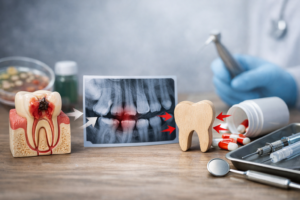
Dental emergencies rarely happen at convenient times. A sudden toothache, facial swelling, or dental injury can disrupt daily life and create anxiety about what to do next. When pain or trauma strikes unexpectedly, seeing a same day emergency dentist can make the difference between quick relief and worsening complications. Understanding what patients can expect during an emergency dental visit helps reduce stress and ensures timely, effective care.
At Prestige Oral & Facial Surgery Center, same-day emergency treatments are designed to stabilize urgent conditions, relieve pain, and prevent further damage—often in a single visit.
What Qualifies as a Dental Emergency?
A dental emergency is any condition that requires immediate professional attention to relieve pain, stop bleeding, control infection, or prevent permanent damage. These situations often worsen rapidly if left untreated and should never be postponed.
Common dental emergencies include:
- Severe tooth pain or pressure
- Facial or jaw swelling
- Dental abscesses
- Broken, cracked, or knocked-out teeth
- Trauma to the mouth or jaw
- Bleeding that does not stop
Access to comprehensive emergency dental services ensures that these issues are evaluated quickly and managed appropriately before complications develop.
Why Same-Day Treatment Matters
Dental problems rarely resolve on their own. Infection, inflammation, and nerve involvement tend to progress, increasing pain and risk. Same-day care focuses on early intervention, which can reduce the need for complex procedures later.
Receiving immediate dental care allows specialists to control pain, address infection, and stabilize damaged structures before they affect surrounding teeth, bone, or soft tissue. Early treatment also supports better long-term outcomes and faster recovery.
Walk-In Emergency Dental Care: What to Know
Many patients hesitate because they believe emergency treatment requires a scheduled appointment. In reality, a walk in emergency dentist is often available to evaluate urgent conditions promptly. Walk-in care is especially valuable for patients experiencing sudden pain, swelling, or trauma that cannot wait.
At a specialized oral and facial surgery center, walk-in emergency care may include:
- Rapid diagnostic imaging
- Clinical evaluation of pain and swelling
- Immediate stabilization of injuries
- Infection control measures
This approach ensures patients receive the care they need without unnecessary delays.
The Emergency Dental Visit Process
Knowing what to expect can make an emergency visit less overwhelming. The emergency dental visit process is designed to prioritize safety, comfort, and efficiency.
Step 1: Initial Assessment
Upon arrival, the clinical team evaluates symptoms, medical history, and pain levels. This allows providers to determine urgency and identify potential complications.
Step 2: Diagnostic Imaging
Advanced imaging, such as digital X-rays or cone beam CT scans, helps pinpoint the cause of pain or trauma. Accurate diagnosis is essential for effective treatment.
Step 3: Immediate Pain and Infection Control
The primary goal is stabilization. This may involve draining an abscess, prescribing medication, or providing temporary restorations to relieve discomfort.
Step 4: Treatment Planning
Once the condition is stabilized, the surgeon outlines next steps. In many cases, definitive treatment can be completed the same day.
Common Same-Day Emergency Treatments
Oral and maxillofacial surgeons are trained to manage complex dental emergencies that extend beyond routine care. Depending on diagnosis, urgent dental treatment options may include:
- Tooth extractions for non-restorable teeth
- Abscess drainage and infection management
- Surgical intervention for impacted or fractured teeth
- Stabilization of dental trauma
- Management of facial swelling and soft tissue injuries
- Coordination with restorative dental care when needed
These treatments focus on resolving the emergency while preserving as much natural structure as possible.

Managing Dental Pain Quickly
Pain is often the primary reason patients seek emergency care. Achieving fast dental pain relief requires identifying and addressing the underlying cause rather than masking symptoms. Oral surgeons use targeted approaches to relieve pain safely and effectively, including:
- Local anesthesia or sedation when appropriate
- Removal of infected or damaged tissue
- Reduction of pressure caused by abscesses
- Stabilization of fractured teeth or bone
Because oral surgeons have advanced training in anesthesia and surgical pain management, patients benefit from comprehensive relief during and after treatment.
Why Choose an Oral & Facial Surgery Center for Emergencies
Not all dental offices are equipped to handle advanced emergencies. Oral and facial surgery centers provide specialized care for conditions involving bone, nerves, infection, and trauma. Surgeons have hospital-based training and access to advanced diagnostic and surgical tools, allowing them to manage severe cases safely.
Patients with complex emergencies benefit from:
- Expertise in facial anatomy and surgical care
- Ability to manage infections that extend into the jaw or face
- Advanced anesthesia options for comfort
- Coordinated care for long-term restoration
This level of care ensures emergencies are treated thoroughly—not just temporarily managed.
What Happens After Same-Day Emergency Treatment?
Following treatment, patients receive detailed aftercare instructions to support healing and prevent recurrence. These may include:
- Medication guidance
- Oral hygiene recommendations
- Dietary restrictions
- Follow-up appointments for definitive care
- Monitoring for signs of complications
Many patients experience significant relief within hours or days, especially when treatment addresses the root cause promptly.
- Dental emergencies require prompt evaluation to prevent complications.
- Same-day care focuses on pain relief and stabilization.
- Advanced diagnostics allow accurate and efficient treatment.
- Oral surgeons manage both dental and facial emergencies.
- Early intervention supports better long-term oral health.
Reducing the Risk of Future Emergencies
While emergencies cannot always be avoided, routine dental care plays a major role in prevention. Regular exams, timely treatment of decay or infections, protective gear during sports, and addressing pain early all reduce the likelihood of urgent situations.
Patients who seek care at the first sign of trouble often avoid more invasive procedures later.
Conclusion
Dental emergencies can be stressful, painful, and disruptive—but timely same-day treatment offers relief, reassurance, and protection against serious complications. Knowing what to expect during an emergency visit helps patients act quickly and confidently. With expert evaluation, advanced diagnostics, and immediate treatment, oral and maxillofacial specialists provide the care needed to restore comfort, function, and peace of mind when it matters most.