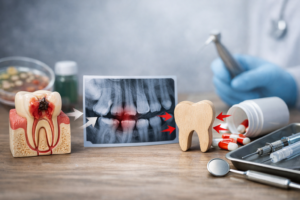
Oral cancer, a subtype of head and neck cancer, poses a significant health threat due to its potential to become life-threatening if not detected and treated promptly. It typically originates as a small lesion or sore in the mouth that fails to heal over time. The ability to identify these early signs is crucial for the successful treatment and management of the disease. Early intervention not only improves the prognosis but also simplifies the treatment process, making it less invasive and more effective.
Understanding the intricacies of oral cancer involves recognizing its initial manifestations, which can often be subtle and easily overlooked. This makes awareness and education critical components in combating oral cancer. By equipping individuals with the knowledge to recognize early symptoms, and encouraging regular medical and dental check-ups, the chances of early detection and successful treatment are significantly enhanced.
Oral pathology is the specialized field dedicated to the study and diagnosis of diseases affecting the mouth, jaws, and related anatomical structures. This field encompasses a wide range of conditions that affect various parts of the oral cavity, including the teeth, lips, cheeks, tongue, and salivary glands. It plays a pivotal role in diagnosing diseases such as oral cancer, thereby facilitating timely and appropriate treatment interventions.
Oral pathology serves as the cornerstone for understanding the complex nature of oral diseases, including the etiology, progression, and potential complications associated with conditions like oral cancer. By delving into the pathology of these diseases, healthcare professionals can develop targeted strategies for prevention, diagnosis, and treatment, ultimately improving patient outcomes. Furthermore, advancements in oral pathology research continue to contribute to the development of innovative diagnostic tools and treatment methodologies, enhancing the overall standard of care.
The Role of Oral Pathologists
Oral pathologists are highly trained specialists who focus on diagnosing and studying a wide array of oral diseases. Their expertise is crucial in the early identification of oral cancer, as they meticulously examine tissue samples from the oral cavity to detect any abnormalities. By understanding the underlying pathology of diseases, oral pathologists contribute to the formulation of effective, individualized treatment plans.
In addition to diagnosing diseases, oral pathologists also play a vital role in research and education. They contribute to advancing the field by investigating new diagnostic techniques and therapeutic approaches. Their findings are instrumental in shaping clinical guidelines and best practices for managing oral diseases. By collaborating with other healthcare professionals, oral pathologists ensure a comprehensive approach to patient care, integrating the latest research findings into clinical practice to enhance treatment outcomes.
Early Signs of Oral Cancer
Identifying the early signs of oral cancer is paramount in improving the chances of successful treatment and recovery. Early detection allows for interventions at a stage when the cancer is most treatable, reducing the risk of complications and enhancing the quality of life for patients. Here are some common symptoms that individuals should be vigilant about:
Common Symptoms
- Persistent Sores: A sore or ulcer in the mouth that does not heal within two weeks can be a warning sign. Such lesions should be promptly evaluated by a healthcare professional to rule out malignancy.
- Lumps or Thickening: The presence of any lump or unusual thickening in the cheek, tongue, or other areas of the mouth should be investigated. These changes can indicate underlying pathological processes, including cancerous growths.
- Red or White Patches: Unusual red or white patches, known as erythroplakia and leukoplakia respectively, may appear in the mouth. These lesions are often precancerous and warrant further examination.
- Pain or Numbness: Unexplained pain, tenderness, or numbness in the mouth, lips, or face could signify nerve involvement and should not be ignored.
- Difficulty Chewing or Swallowing: Problems with chewing, swallowing, or moving the jaw or tongue can be indicative of advanced oral cancer and require immediate medical attention.
If any of these symptoms are experienced, it is crucial to consult a healthcare professional for a comprehensive evaluation. Early intervention can lead to better treatment outcomes and a higher likelihood of recovery.
Oral Cancer Screening
Oral cancer screening is a preventive measure involving a thorough examination of the mouth to identify signs of cancer or precancerous conditions. It is an essential component of routine healthcare, particularly for individuals at increased risk of developing oral cancer. Regular screenings can lead to early detection, when treatment is most effective, and significantly improve patient outcomes.
What Happens During a Screening?
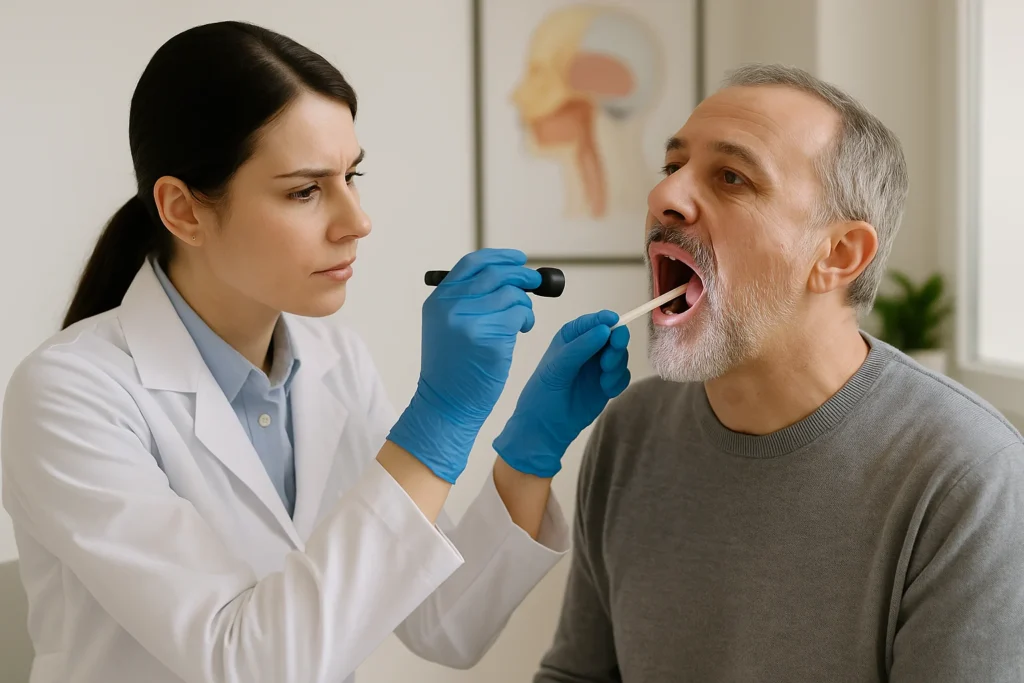
During an oral cancer screening, a dentist or oral surgeon will perform a meticulous examination of the oral cavity, including the lips, tongue, throat, and other relevant areas. This process involves:
- A visual and tactile examination to identify any lumps, irregular tissue changes, or lesions.
- The use of specialized tools or dyes that can highlight abnormal cells or areas that require further investigation.
- An assessment of risk factors and medical history to determine the need for additional diagnostic procedures, such as biopsies.
Regular screenings are particularly recommended for individuals with risk factors such as tobacco use, excessive alcohol consumption, or a family history of cancer. Early detection through screening can significantly enhance the effectiveness of treatment and improve survival rates.
Diagnostic Tools in Oral Pathology
When an oral lesion is suspected to be cancerous, advanced diagnostic tools are employed to confirm the diagnosis and guide treatment planning. These tools provide critical information about the nature and extent of the disease, facilitating accurate staging and prognosis.
Biopsy for Oral Pathology
A biopsy is a definitive diagnostic procedure involving the removal and microscopic examination of a small sample of tissue. It is the gold standard for diagnosing oral cancer, providing valuable insights into the type and stage of the disease.
- Incisional Biopsy: Involves removing a small part of the suspicious lesion for detailed examination, often used when the lesion is too large to be removed entirely.
- Excisional Biopsy: Entails the removal of the entire lesion, allowing for a comprehensive analysis and potentially serving as both a diagnostic and therapeutic procedure.
Biopsies are instrumental in determining the histological characteristics of the cancer, which are crucial for developing an effective treatment plan. Understanding the type, grade, and stage of the cancer enables healthcare professionals to tailor interventions to the specific needs of the patient, improving treatment outcomes.
Treatment Options for Oral Cancer
Once oral cancer is diagnosed, a multidisciplinary team of specialists, including oral surgeons, oncologists, and pathologists, collaborates to discuss and determine the most appropriate treatment options. The choice of treatment depends on various factors, including the stage, location, and type of cancer, as well as the patient’s overall health and preferences.
Common Treatment Methods
- Surgery: Often the first line of treatment, surgery involves the removal of cancerous tissue and, if necessary, surrounding structures to ensure complete excision. Surgical techniques have advanced significantly, allowing for more precise and less invasive procedures.
- Radiation Therapy: This treatment uses high-energy rays to target and destroy cancer cells. It can be used alone or in combination with surgery, particularly in cases where the cancer is localized or to reduce the risk of recurrence.
- Chemotherapy: Involves the use of drugs to kill cancer cells, often employed in advanced cases or when the cancer has metastasized. Chemotherapy can be used in conjunction with other treatments to enhance effectiveness.
- Targeted Therapy: Utilizes drugs that specifically target cancer cell growth mechanisms, minimizing damage to healthy cells. This approach is often used alongside other treatments to improve outcomes and reduce side effects.
The Importance of Early Detection
Early detection of oral cancer is critical for successful treatment and recovery. Regular dental check-ups and awareness of the symptoms can lead to early diagnosis, when the cancer is most treatable. Early-stage cancers require less aggressive treatment and have a higher likelihood of successful outcomes, underscoring the importance of vigilance and proactive healthcare.
Preventive Measures and Lifestyle Changes
Preventing oral cancer involves adopting healthy lifestyle choices and minimizing exposure to known risk factors. By making informed decisions about personal health and wellness, individuals can significantly reduce their risk of developing oral cancer.
Tips for Prevention
- Avoid Tobacco: The use of tobacco products, including smoking and smokeless forms, is a major risk factor for oral cancer. Quitting tobacco can drastically reduce the risk and improve overall health.
- Limit Alcohol Consumption: Excessive alcohol intake is associated with an increased risk of oral cancer. Moderation and mindful consumption can mitigate this risk.
- Maintain Good Oral Hygiene: Regular brushing, flossing, and dental check-ups contribute to overall oral health and facilitate the early detection of any abnormal changes.
- Protect Against HPV: Human papillomavirus (HPV) is a risk factor for oral cancer. Vaccination and safe practices can reduce the risk of HPV-related oral cancers.
- Regular Dental Check-ups: Routine visits to the dentist provide opportunities for early detection and intervention, improving the chances of successful treatment.
Conclusion
Oral cancer represents a serious and potentially life-threatening condition. However, with early detection and appropriate treatment, the chances of recovery and a favorable prognosis are significantly enhanced. Understanding the early signs and symptoms, undergoing regular screenings, and adopting a healthy lifestyle are key strategies for prevention and early diagnosis.
If you notice any persistent changes or abnormalities in your mouth, it is imperative to consult an oral surgeon or healthcare professional promptly. By staying informed and proactive about your oral health, you can protect your well-being and improve your quality of life.