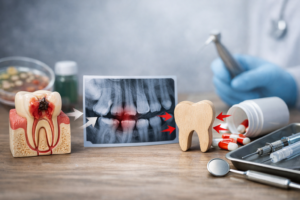
Facial trauma can be one of the most distressing medical emergencies a person experiences. From sports accidents to falls, vehicle collisions, or unexpected impacts, these injuries affect not only function but also appearance and long-term oral health. When fractures, soft tissue injuries, or dental trauma occur, timely and specialized care is essential. For many patients, the most effective option involves jaw fracture surgery, particularly when the injury compromises the stability or alignment of the facial bones.
Oral and maxillofacial surgeons are uniquely equipped to respond to such emergencies. Their dual training in both dentistry and facial surgery allows them to diagnose complex injuries, repair fractures, restore function, and preserve aesthetics. Whether the trauma involves bone structure, teeth, or soft tissues, specialized intervention ensures the best possible outcome.
Understanding Facial Trauma
Facial trauma includes any injury that affects the bones, muscles, nerves, or soft tissue structures of the face. Because the face houses delicate functions essential for breathing, speaking, eating, and expression, these injuries demand precision and expertise. The most common causes of facial trauma include:
- Motor vehicle accidents
- Sports-related impacts
- Workplace injuries
- Assault
- Falls
- Accidental blows to the face
Regardless of cause, these injuries can range from mild to severe. Even minor conditions like an injury mouth can escalate if not properly evaluated. Without rapid diagnostics and treatment, patients may experience chronic pain, breathing difficulties, misalignment of teeth, or long-term cosmetic concerns.
Types of Facial Fractures
Facial fractures can affect the jaw, cheekbones, orbital bones, nasal structures, and more. Each fracture type requires a tailored approach depending on location, severity, and accompanying soft tissue damage.
- Mandibular (jaw) fractures: These often require stabilization through surgical plates, screws, or wiring to ensure proper alignment.
- Zygomatic fractures: Cheekbone injuries may affect vision, symmetry, and bite function.
- Orbital fractures: These can impair eye movement or cause double vision.
- Maxillary fractures: Upper jaw injuries affect bite alignment and may compromise breathing.
- Nasal fractures: These are common and can lead to permanent cosmetic differences if untreated.
The complexity of facial anatomy means fractures may also occur in combination. That’s why early assessment by a highly trained facial trauma surgeon is crucial for full recovery.
When to Seek Help
Some patients may not realize they have a fracture until symptoms begin to worsen. Signs that indicate the need for immediate evaluation include:
- Difficulty opening or closing the mouth
- Changes in bite alignment
- Facial swelling or bruising
- Nosebleeds or nasal obstruction after injury
- Numbness in the face or lips
- Vision changes
- Loose or damaged teeth
If any of these symptoms appear after trauma, seeking an oral surgeon for facial injuries rather than a general dentist or primary care provider ensures proper diagnosis. Surgeons with advanced training in maxillofacial injuries are equipped to manage complex bone and soft tissue damage using both surgical and non-surgical techniques.
How Oral Surgeons Diagnose Facial Trauma
Accuracy is vital in trauma cases. At Prestige Oral & Facial Surgery Center, surgeons use state-of-the-art imaging and diagnostic tools to assess fractures and soft tissue injuries. These may include:
- Digital X-rays
- 3D cone beam CT scans
- Comprehensive bite analysis
- Soft tissue evaluation
A complete clinical picture allows the surgeon to recommend the most effective facial fracture treatment. Whether the injury requires repositioning of bones, stabilization hardware, suturing of lacerations, or dental intervention, every step is tailored to restore both appearance and function.
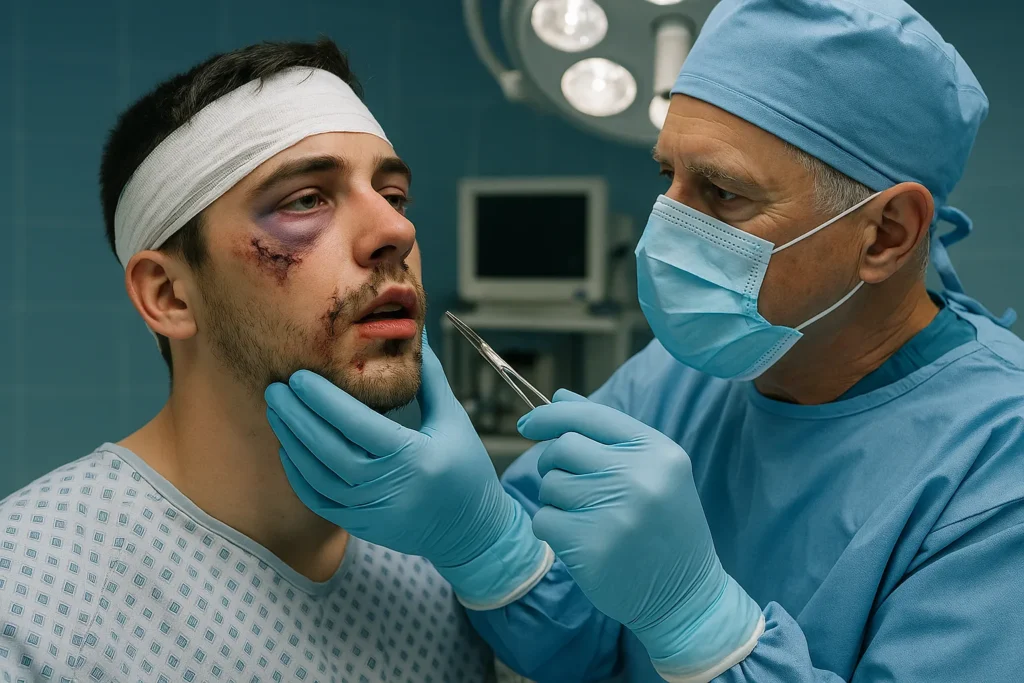
Surgical Solutions for Facial Trauma
When fractures are severe or displaced, surgical intervention becomes necessary. Oral and maxillofacial surgeons perform delicate repairs using techniques designed to restore stability while minimizing scarring and preserving facial aesthetics.
1. Fracture Realignment
The surgeon repositions fractured bones into their natural anatomical structure. This step ensures proper symmetry and function.
2. Internal Fixation
Small titanium plates and screws are used to stabilize the bones. These are biocompatible and typically remain permanently without causing issues.
3. Soft Tissue Reconstruction
For patients with lacerations or tissue loss, reconstructive procedures restore both appearance and muscle-ligament function.
4. Dental Restoration
Trauma often results in fractured, displaced, or missing teeth. Surgeons collaborate with restorative dentists to rebuild the smile and ensure optimal bite mechanics.
Treating Dental Trauma
Not all facial injuries involve broken bones. Dental trauma is extremely common, and prompt broken tooth treatment can determine whether the tooth is saved or requires replacement. Oral surgeons can perform:
- Tooth repositioning
- Root stabilization
- Splinting damaged teeth
- Extraction of non-salvageable teeth
- Bone grafting to repair damage
- Dental implant placement for long-term restoration
Even injuries that seem minor may mask deeper problems. A cracked tooth may extend into the root, requiring advanced intervention to prevent infection or tooth loss.
The Role of Oral Surgeons in Complex Cases
Unlike general dentists, oral and maxillofacial surgeons handle both dental and skeletal injuries. This makes them the ideal specialists for comprehensive trauma management. Patients benefit from:
- Expertise in bone anatomy and fracture patterns
- Ability to correct bite abnormalities
- Training in airway management during trauma
- Surgical precision for soft tissue repair
- Access to advanced technologies for reconstruction
Their training encompasses hospital-based surgical care, emergency medicine, anesthesia, and reconstructive techniques—meaning they can manage even the most severe injuries with confidence and precision.
Recovery After Facial Trauma Surgery
Recovery varies depending on the severity of the injury and the extent of surgery. Patients typically receive detailed instructions regarding:
- Diet modifications
- Oral hygiene routines
- Pain and inflammation management
- Avoiding strenuous activities
- Follow-up imaging to confirm healing
Full recovery may take weeks to months, but with expert treatment, patients can expect excellent functional and cosmetic outcomes.
Why Timely Treatment Matters
Delaying care after trauma increases the risk of chronic pain, facial asymmetry, nerve damage, tooth loss, and bite misalignment. Early intervention offers the best chance for complete healing and long-term function. With the expertise of an oral and maxillofacial surgeon, patients can trust they are receiving the highest level of care.
Conclusion
Facial trauma can be life-altering, but with expert evaluation and precise surgical intervention, patients can recover function, comfort, and confidence. Oral and maxillofacial surgeons play a vital role in diagnosing and treating fractures, soft tissue injuries, and dental trauma, offering advanced solutions tailored to each individual. With the right care, most patients achieve excellent long-term outcomes and a restored sense of well-being.