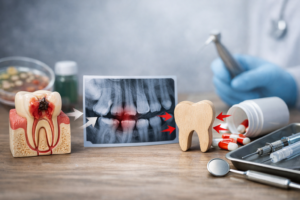
Oral health issues often begin quietly, but when bacteria gain access to deeper structures of the mouth, the consequences can be serious. A dental infection is more than just localized discomfort—it can affect surrounding tissues, compromise overall health, and lead to significant complications if left untreated. Understanding how these infections develop, how they spread, and how they are treated empowers patients to seek timely, effective care.
At Prestige Oral & Facial Surgery Center, dental infections are treated with a comprehensive approach that prioritizes patient safety, comfort, and long-term oral health.
How Dental Infections Begin
The mouth naturally contains bacteria, many of which are harmless when balanced by good oral hygiene and a healthy immune system. Problems arise when bacteria penetrate beyond the tooth’s protective enamel and dentin layers. This typically occurs due to untreated cavities, cracked teeth, gum disease, or trauma.
Some of the most common tooth infection causes include prolonged tooth decay, failed dental restorations, deep periodontal pockets, or injuries that expose the inner pulp of the tooth. Once bacteria reach the pulp, inflammation and infection can progress rapidly.
The Role of the Tooth Pulp
The pulp is the innermost portion of the tooth and contains nerves, blood vessels, and connective tissue. When bacteria invade this area, the body’s immune response triggers inflammation, increasing pressure inside the tooth. Because this space is enclosed, pressure builds quickly, leading to pain and tissue damage.
If the infection is not addressed at this stage, it can move beyond the tooth into surrounding bone and soft tissues, forming an abscess.
Recognizing Abscessed Tooth Warning Signs
One of the most serious outcomes of an untreated infection is an abscess. Abscessed tooth symptoms often include severe throbbing pain, swelling of the gums or face, sensitivity to pressure, fever, and a persistent bad taste or odor in the mouth. Some patients may also notice pus drainage or experience difficulty opening their mouth.
In certain cases, pain may temporarily subside as the nerve dies, giving the false impression that the problem has resolved. In reality, the infection may still be spreading silently beneath the surface.
How Dental Infections Spread
Dental infections do not always remain confined to the tooth. Once bacteria escape the root tip, they can spread into the jawbone, soft tissues of the face, sinuses, or even the bloodstream. This progression increases the complexity of treatment and the risk of systemic complications.
Understanding dental infection risks is critical, particularly for patients with weakened immune systems, diabetes, or underlying health conditions. In severe cases, untreated oral infections can lead to facial cellulitis, airway compromise, or life-threatening conditions requiring hospitalization.
Why Prompt Treatment Is Essential
Early intervention significantly limits the spread of infection and reduces the need for invasive procedures. The longer bacteria are allowed to multiply, the more tissue damage occurs, increasing recovery time and treatment complexity.
Seeking professional care at the first sign of infection allows specialists to control inflammation, eliminate bacteria, and preserve as much natural tooth and bone structure as possible.
Diagnosing Dental Infections
At Prestige Oral & Facial Surgery Center, diagnosing dental infections involves a thorough clinical evaluation and advanced imaging. Oral and maxillofacial surgeons assess symptoms, examine the affected area, and use digital X-rays or cone beam CT scans to identify the extent of infection.
Accurate diagnosis is essential to determine whether the infection is localized or has spread to surrounding structures, guiding the most effective treatment plan.
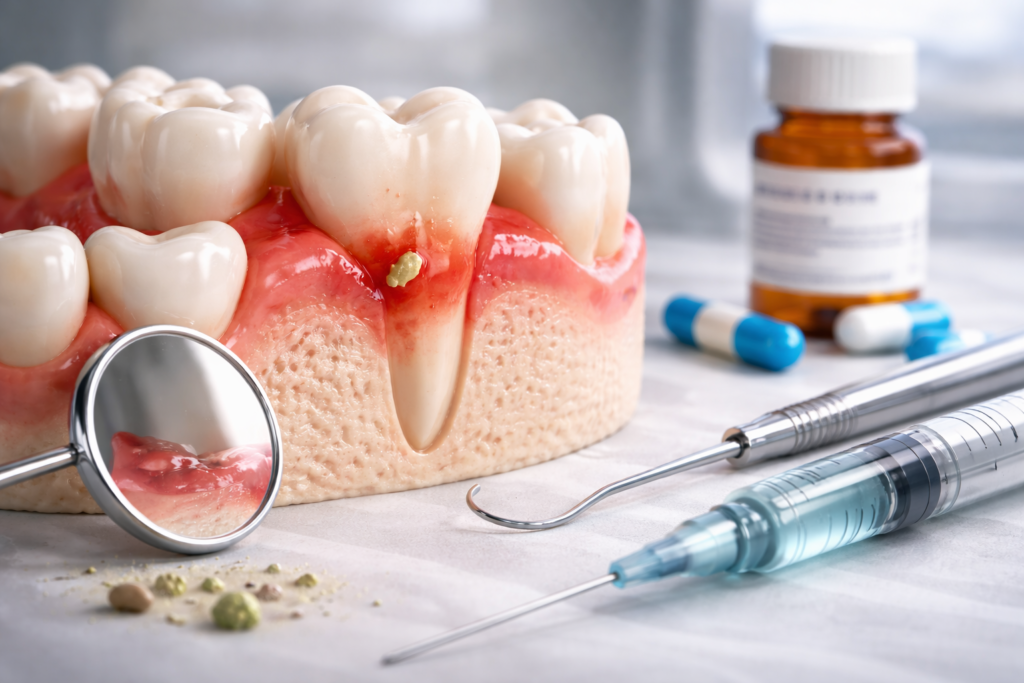
Treatment Options for Dental Infections
Effective oral infection treatment depends on the severity and location of the infection. Treatment goals include removing the source of bacteria, controlling infection, relieving pain, and restoring oral function.
Non-Surgical Interventions
In early stages, treatment may involve antibiotics combined with procedures to eliminate the infection source. However, antibiotics alone are rarely sufficient without addressing the underlying cause.
Surgical and Advanced Treatments
For more advanced infections, oral surgeons may recommend:
- Drainage of abscesses
- Root canal coordination to preserve the tooth
- Tooth extraction when the tooth cannot be saved
- Surgical cleaning of infected bone
- Bone grafting to restore lost structure
Oral and maxillofacial surgeons are trained to manage complex infections safely, especially those involving facial spaces or significant swelling.
Recovery and Aftercare
Following treatment, patients receive detailed instructions to support healing and prevent recurrence. This may include medication guidance, oral hygiene recommendations, dietary adjustments, and follow-up visits to monitor recovery.
Most patients experience significant symptom improvement once the infection source is removed and inflammation subsides.
Preventing Future Dental Infections
While not all infections can be avoided, proactive care dramatically reduces risk. Preventing tooth infections starts with routine dental exams, daily oral hygiene, early treatment of cavities, and prompt evaluation of dental pain or trauma.
Additional preventive measures include:
- Brushing and flossing consistently
- Replacing old or damaged dental restorations
- Wearing protective gear during sports
- Managing chronic conditions that affect immune health
- Seeking care at the first sign of discomfort
Patients who address small issues early often avoid emergencies and complex surgical procedures later.
The Importance of Specialized Care
Dental infections can escalate quickly and unpredictably. Oral and maxillofacial surgeons offer advanced training in infection control, facial anatomy, and surgical management, making them uniquely qualified to treat severe or spreading infections.
Their ability to manage both dental and facial complications ensures comprehensive care under one roof, reducing delays and improving outcomes.
- Dental infections often begin silently and worsen over time.
- Early symptoms should never be ignored.
- Infections can spread beyond the mouth if untreated.
- Prompt diagnosis leads to simpler, more effective treatment.
- Specialized surgical care is essential for advanced cases.
Conclusion
Dental infections are serious conditions that require timely, expert attention. Understanding how they start, how they spread, and how they are treated helps patients recognize warning signs and act quickly. With early diagnosis, personalized treatment, and preventive care, patients can protect their oral health, avoid complications, and maintain long-term comfort and function.